
Home additions and home remodeling projects are major investments that can improve comfort, increase property value, and create more functional living space for growing families. Whether you are planning a kitchen remodel, bathroom renovation, room addition, basement finishing project, or full home renovation, selecting the right remodeling contractor is one of the most important decisions a homeowner can make.
Professional home remodeling requires proper planning, construction experience, building code compliance, project management, and quality craftsmanship. A qualified contractor helps homeowners avoid costly delays, hidden construction issues, permit complications, and budget overruns while ensuring the project is completed safely and efficiently.
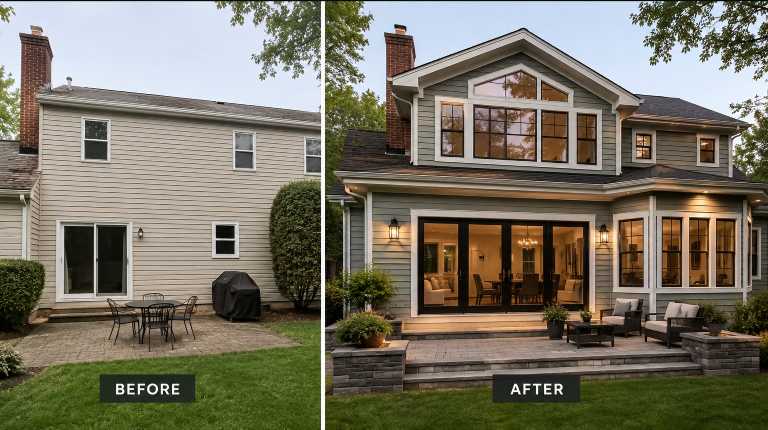
What Is the Difference Between Home Remodeling and Home Additions?
Although many homeowners use the terms interchangeably, home remodeling and home additions involve different types of residential construction services.
Home Remodeling Services
Home remodeling focuses on improving or upgrading existing areas within the home’s current structure. Remodeling projects can modernize outdated spaces, improve functionality, and increase resale value.
- Kitchen remodeling
- Bathroom renovations
- Basement finishing
- Open-concept floor plan conversions
- Flooring replacement
- Interior and exterior upgrades
- Electrical and plumbing improvements
- Whole-house remodeling
Home Addition Services
Home additions expand the total square footage of a property by adding new living areas or extending existing spaces.
- Bedroom additions
- Second-story additions
- Garage additions
- Sunrooms and enclosed patios
- In-law suites
- Family room expansions
- Home office additions
- Kitchen expansions
Unlike standard remodeling, home additions often require new foundations, structural framing, roofing integration, utility expansion, and engineering approval.
Why Hiring an Experienced Remodeling Contractor Matters
Hiring an experienced home remodeling contractor helps homeowners protect their investment and reduce construction risks. Residential remodeling projects involve multiple trades, permit requirements, scheduling coordination, inspections, and detailed construction planning.
Professional remodeling contractors provide:
- Detailed project planning
- Permit and inspection coordination
- Building code compliance
- Structural evaluation
- Project scheduling and trade management
- Material procurement
- Site safety management
- Construction quality control
- Warranty support
Choosing an inexperienced contractor can result in failed inspections, construction delays, poor workmanship, structural problems, water intrusion issues, and increased project costs.
How to Choose the Best Home Remodeling Contractor
1. Verify Contractor Licensing and Insurance
Homeowners should always verify that a remodeling contractor carries proper licensing, general liability insurance, and workers’ compensation coverage.
Licensed and insured contractors help protect homeowners from financial liability related to jobsite accidents, property damage, or construction defects.
2. Review Previous Remodeling Projects
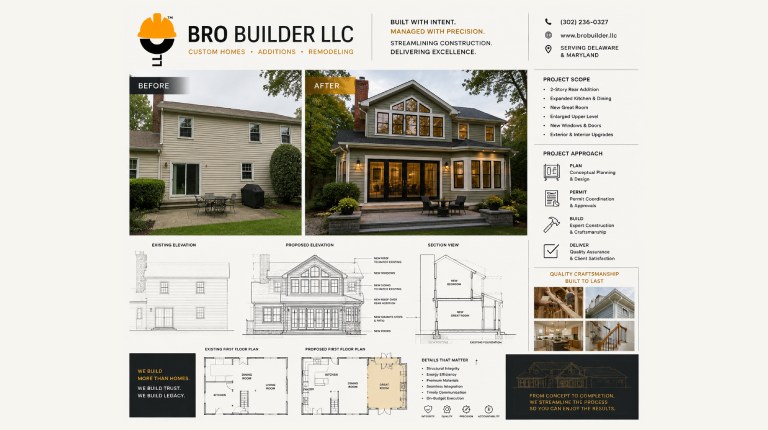
An experienced contractor should have a portfolio of completed remodeling and home addition projects similar to your renovation goals.
Reviewing previous work allows homeowners to evaluate:
- Construction quality
- Finish craftsmanship
- Project complexity
- Design capabilities
- Space planning
- Attention to detail
3. Request a Detailed Scope of Work
A professional remodeling estimate should clearly outline all project details, responsibilities, materials, exclusions, and scheduling expectations.
- Demolition scope
- Framing modifications
- Electrical and plumbing work
- HVAC installation or relocation
- Material specifications
- Estimated project timeline
- Permit responsibilities
- Payment schedule
Clear project documentation helps prevent disputes and unexpected costs during construction.
4. Confirm Building Permit Requirements
Most home additions and major remodeling projects require permits and inspections to comply with local building codes and safety standards.
Professional contractors understand:
- Residential building code requirements
- Structural engineering standards
- Electrical code compliance
- Energy efficiency requirements
- Plumbing regulations
- Inspection procedures
Homeowners should avoid contractors who recommend skipping permits to reduce project costs.
Factors That Affect Home Remodeling Costs
Project Size and Complexity
Larger remodeling projects and structural modifications typically require more labor, engineering, materials, and permit coordination.
Material Selections
Cabinetry, countertops, flooring, windows, doors, fixtures, and finish materials significantly impact the final remodeling budget.
Existing Home Conditions
Older homes may contain outdated wiring, plumbing deficiencies, structural damage, or code violations that require upgrades during renovation.
Utility Relocation
Moving electrical panels, plumbing systems, gas lines, or HVAC equipment increases labor and inspection requirements.
Permit and Inspection Costs
Permit fees, engineering approvals, and municipal inspections vary by location and can influence the overall project timeline and cost.
Signs of a Professional Home Remodeling Company
Reliable remodeling companies often demonstrate strong organization, communication, and project management throughout the estimating and construction process.
- Detailed written estimates
- Clear communication
- Transparent pricing
- Professional project scheduling
- Documented change orders
- Clean and organized jobsites
- Verified customer references
- Consistent quality workmanship
Professionalism before construction often reflects how the contractor will manage the project after work begins.
Common Home Remodeling Mistakes Homeowners Should Avoid
Choosing the Lowest Bid
Extremely low estimates may exclude important work items, use low-quality materials, or underestimate labor requirements.
Skipping Contractor Research
Homeowners should review licenses, insurance documentation, references, project history, and customer reviews before hiring a contractor.
Changing the Project Scope Mid-Construction
Frequent design changes during construction can increase costs, create scheduling delays, and impact material availability.
Ignoring Contract Details
Every remodeling project should include a written contract outlining scope, payment terms, scheduling, warranty information, and project responsibilities.
Benefits of Professional Home Remodeling and Additions
Well-planned home remodeling projects provide both short-term and long-term benefits for homeowners.
- Increased property value
- Improved functionality and comfort
- Enhanced curb appeal
- Modernized living spaces
- Better energy efficiency
- Expanded living areas
- Improved home layout
- Higher resale potential
Working with an experienced remodeling contractor helps homeowners achieve quality results while protecting the structural integrity and long-term value of the property.
Start Your Home Remodeling or Addition Project with Confidence
Home remodeling and home additions require careful planning, construction expertise, and experienced project management. Choosing the right contractor helps ensure your renovation project is completed safely, professionally, and according to local building standards.
Whether you are planning a kitchen remodel, bathroom renovation, room addition, basement finishing project, or complete home transformation, investing in professional construction services can significantly improve the comfort, functionality, and value of your home.


 Share Your Experience