
Initial Basement Evaluation: Where Proper Finishing Begins
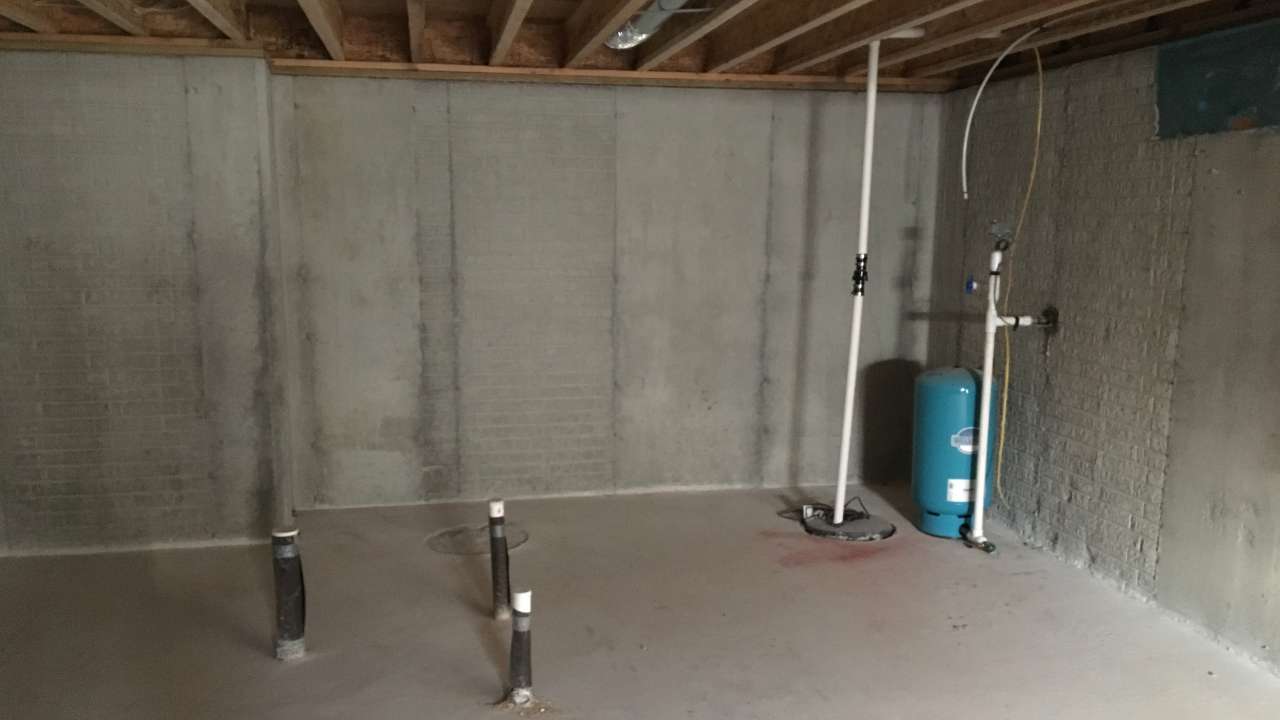
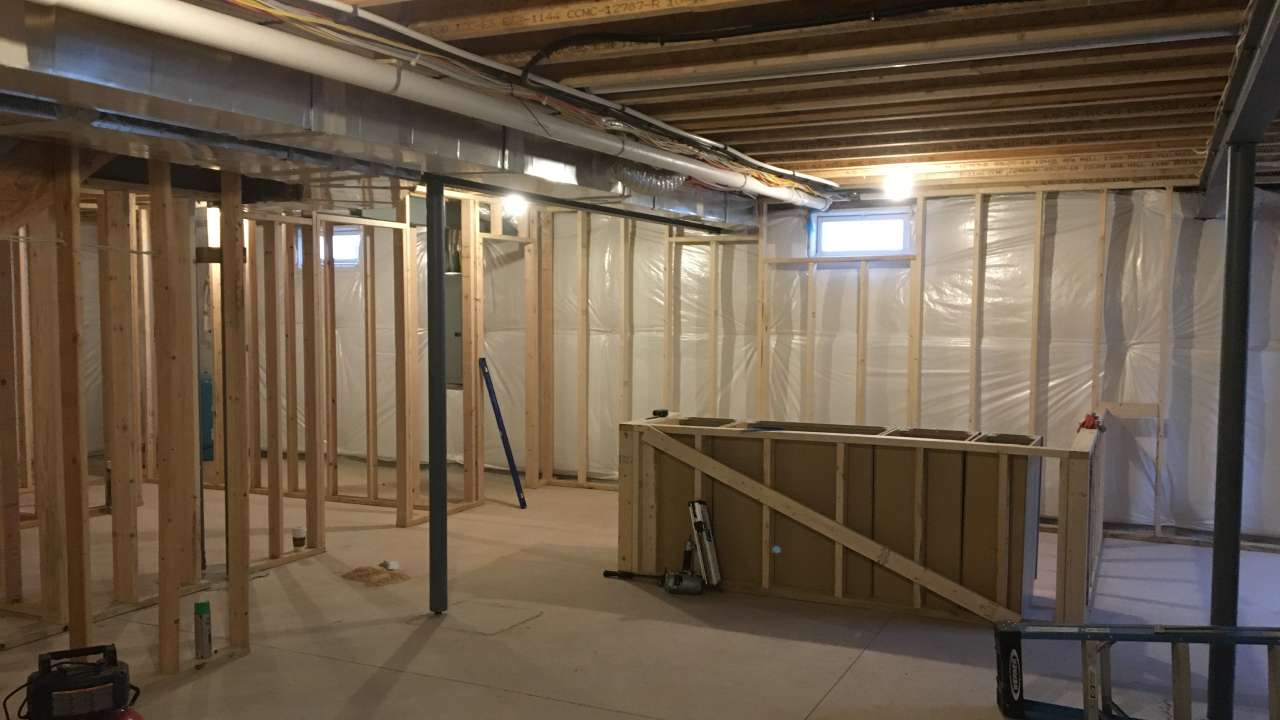
Every successful basement finishing project begins with a technical inspection — not with design selections. The image above reflects a typical starting point: a newly constructed home where the homeowner recently closed but chose not to complete the basement through the original builder.
In this particular case, the builder offered limited customization options for flooring, tile assemblies, cabinetry, and layout flexibility. More importantly, the homeowner required structural modifications, including relocating an existing egress window to better align with the intended bedroom layout — something production builders rarely accommodate post-construction.
Before providing a quote, we perform a detailed on-site assessment focusing on:
- Foundation condition and moisture presence
- Slab levelness and crack evaluation
- Existing mechanical routing (HVAC, plumbing, electrical)
- Egress window positioning and code compliance
- Ceiling height constraints
- Load-bearing considerations
Relocating an egress window is not simply a design adjustment. It requires structural cutting of the foundation wall, proper header installation, well drainage review, and strict adherence to emergency escape code requirements. These decisions must be evaluated before layout finalization.
Finishing your basement correctly means understanding the structural framework that already exists — and identifying where modifications are both safe and code-compliant.
Structural Load Review: Correcting Beam Bearing Conditions
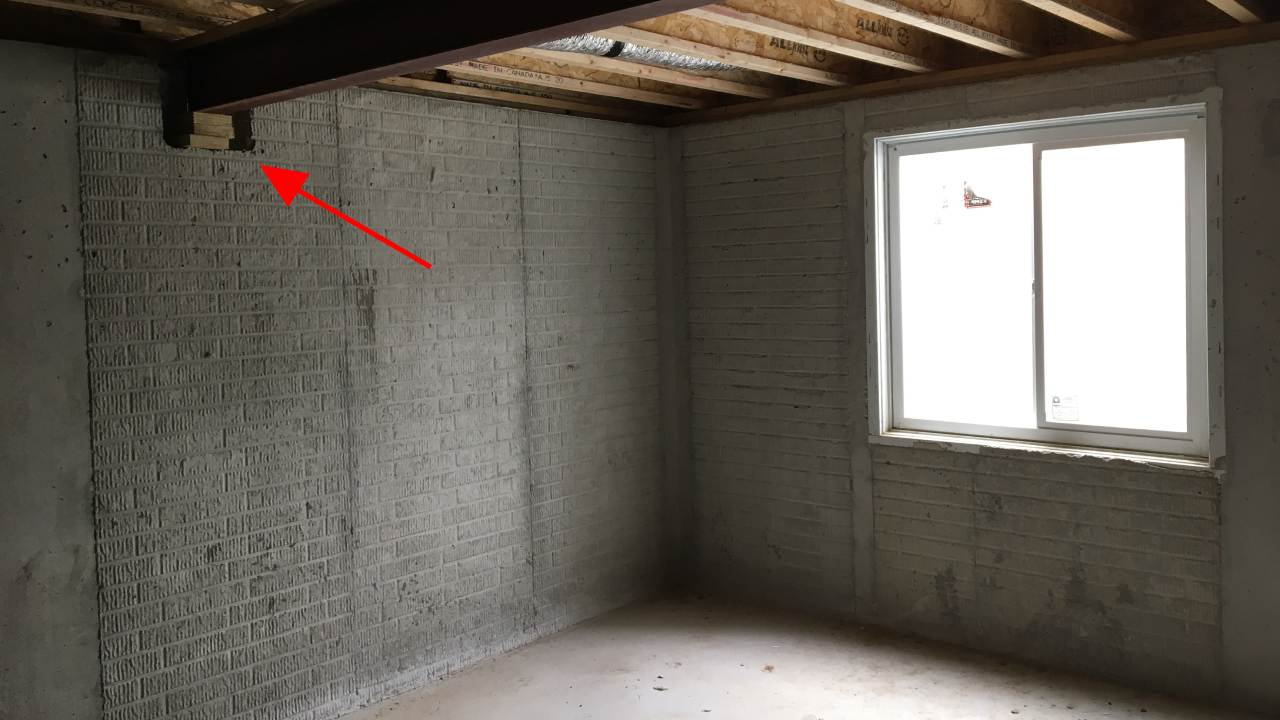
During our initial inspection, we identified a critical structural condition that required immediate attention before any basement finishing work could proceed. The primary load-bearing beam supporting the main floor system was not fully bearing on the concrete foundation wall as intended.
To compensate for the gap, the original builder had installed pressure-treated lumber between the beam and the concrete wall to achieve contact. While pressure-treated lumber resists moisture, it is not an ideal long-term solution for structural load transfer where full bearing is required.
From a structural standpoint, load-bearing beams must transfer weight directly and uniformly to the foundation. Introducing compressible materials, even treated lumber, can result in:
- Uneven load distribution
- Potential compression over time
- Minor deflection or settlement
- Long-term performance concerns
We strongly recommended that the homeowner contact the builder and request corrective action. The appropriate solution was the installation of properly sized steel bearing plates to create solid, non-compressible contact between the beam and the concrete wall.
The builder replaced the lumber infill with steel plates, ensuring proper load transfer and structural integrity before finishing work began.
With structural load transfer properly corrected, we could proceed confidently into environmental control, layout engineering, and system integration — the phases that ultimately determine long-term performance.
This step highlights why a thorough inspection is essential before finishing your basement. Once drywall, insulation, and finishes are installed, structural deficiencies become concealed and significantly more expensive to address.
Understanding the Science Behind Basement Construction
Basements exist in a fundamentally different environmental condition than above-grade rooms. They are surrounded by soil, subject to hydrostatic pressure, temperature differentials, and seasonal moisture variation. Any professional basement finishing contractor must address these conditions before installing a single sheet of drywall.
1. Moisture Management Is Foundational
Concrete is porous. Even when no visible leaks are present, moisture vapor migrates through foundation walls. Proper finishing requires:
- Continuous vapor barriers
- Closed-cell spray foam or rigid insulation systems
- Capillary breaks between slab and framing
- Perimeter drainage evaluation
Skipping these steps may reduce upfront basement finishing costs, but it dramatically increases the risk of mold growth and material deterioration.
2. Framing and Thermal Performance
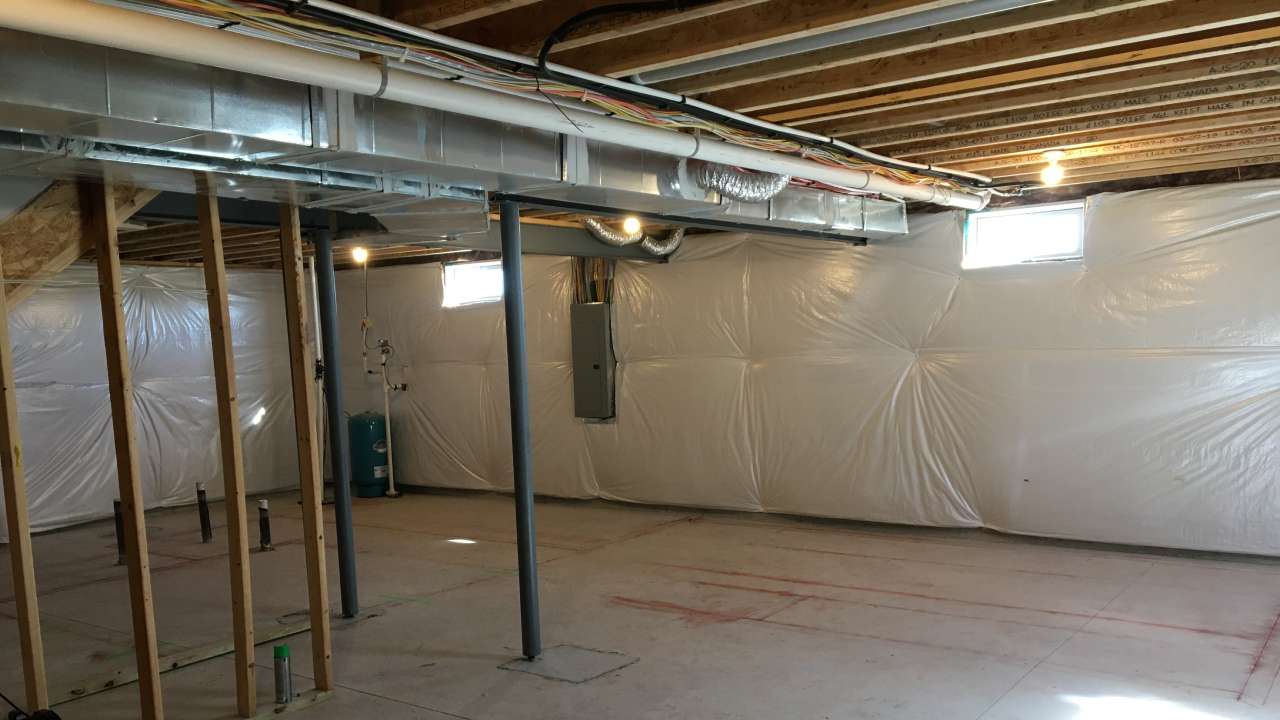
Below-grade walls require insulation strategies that control condensation points. Installing fiberglass batts directly against concrete is outdated practice. Modern systems use rigid foam or spray foam to create thermal separation between concrete and interior framing.
A knowledgeable basement finishing contractor understands dew point management, air sealing, and local energy code compliance — details that directly impact long-term performance.
3. Mechanical and Electrical Integration
Basements often require dedicated circuits, subpanel upgrades, or HVAC modifications. Extending ductwork without airflow balancing can create temperature inconsistencies throughout the home. Proper load calculations ensure your new space integrates seamlessly into existing systems.
Trade Coordination and Sequencing
Finishing a basement correctly requires coordinated sequencing between multiple licensed trades. Structural review must precede framing. Framing must precede mechanical rough-ins. Electrical and plumbing must pass inspection before insulation and drywall installation.
Improper sequencing often leads to rework, inspection delays, and unnecessary cost escalation. Professional oversight ensures each phase integrates with the next without compromising structural or code requirements.
Basement Finishing Costs: What Truly Determines Pricing
Homeowners frequently search for basement finishing costs or the cost to finish basement space, expecting a flat number. In reality, pricing is driven by scope complexity, structural modifications, and mechanical requirements.
Average Cost to Finish Basement (National Range)
- Basic Finish: $30–$50 per square foot
- Mid-Level Finish: $50–$75 per square foot
- High-End or Structural Modifications: $75–$150+ per square foot
For a 1,000-square-foot basement, the cost to finish basement space typically ranges between $30,000 and $60,000+, depending on design, structural changes, and plumbing additions.
Cost Variables That Matter
- Adding a bathroom with ejector pump systems
- Egress window installation for legal bedrooms
- Ceiling height modifications
- Structural beam adjustments
- Upgrading electrical panels
- High-end flooring and millwork
Transparent cost analysis from an experienced basement finishing contractor should itemize labor, materials, mechanical upgrades, and contingency allowances.
Code Compliance and Safety Considerations
Finishing your basement without permits may appear economical, but it exposes homeowners to insurance risk and resale complications. Bedrooms require legal egress. Fire separation between mechanical rooms and living space must meet code. Stair geometry must comply with safety standards.
Professional contractors manage permitting, inspections, and documentation — protecting both your investment and your property’s future marketability.
Return on Investment and Functional Value
National data indicates basement finishing typically delivers a 60–75% return on investment, depending on regional market demand and functional layout. Finished basements increase livable square footage at a lower cost than building additions, as the structural shell already exists.
Strategic layouts — such as adding a guest suite, rental-ready space (where permitted), or a dedicated home office — significantly increase property appeal.
Final Perspective from a Construction Standpoint
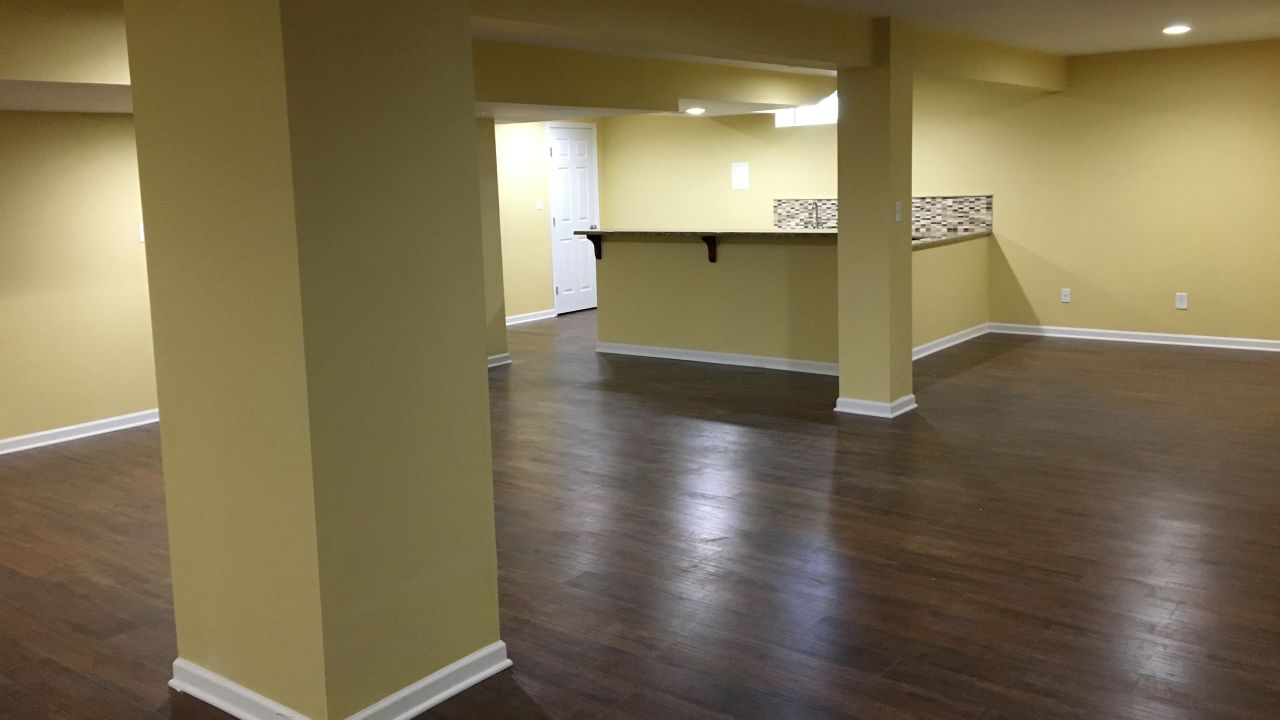
Basement finishing is a structural investment decision. Done correctly, it converts dormant square footage into durable, compliant, high-performance living space. Done improperly, it conceals moisture issues behind finished walls and reduces long-term property value.
If you are evaluating basement finishing costs or calculating the cost to finish basement space in your home, prioritize structural integrity, moisture control, and code compliance above cosmetic upgrades.
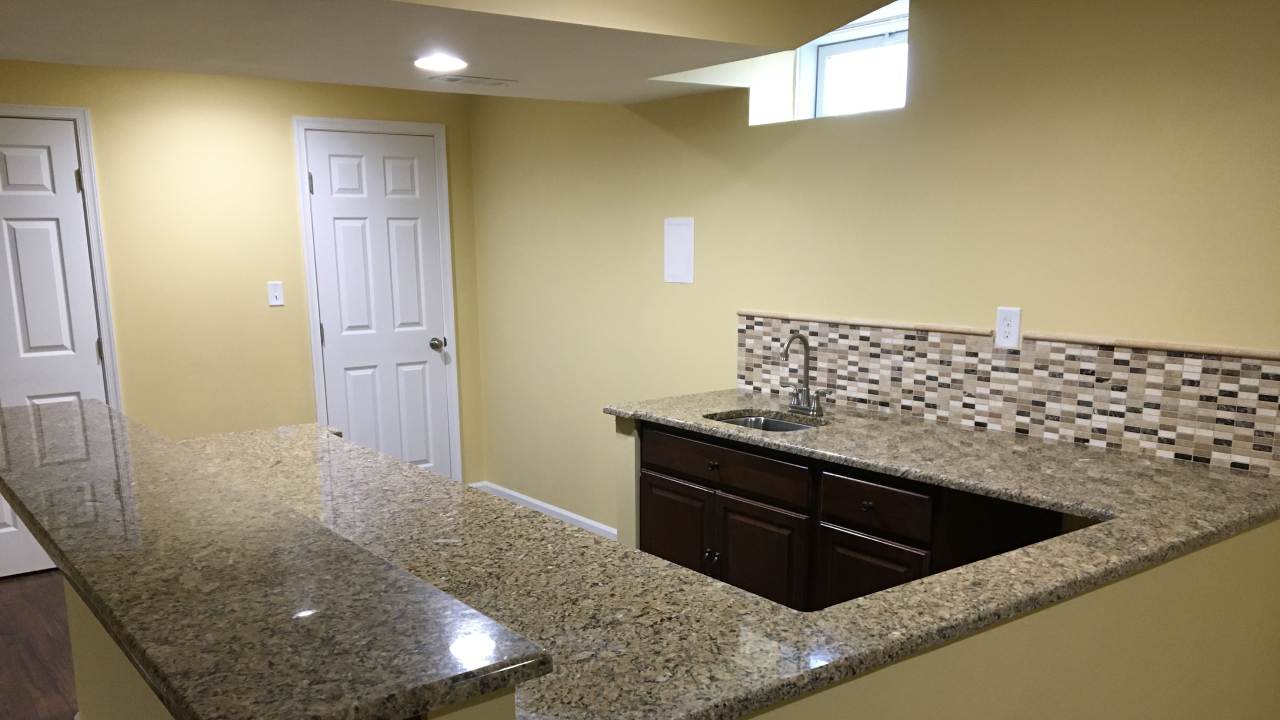
A properly finished basement is an asset that performs for decades. The difference lies in professional execution.


 Share Your Experience